Veterinary Dentistry: A Clinical Guide for General Practice
Veterinary dentistry is one of the most common reasons companion animals need treatment, yet oral disease is frequently underdiagnosed at routine wellness visits. This guide covers the conditions, tools, and guidelines every general practitioner needs.

Medically reviewed by Dr. Aamir Javed, DVM· November 20, 2026·How we fact-check

Table of contentsShow
- Why Oral Disease Earns More Attention Than It Gets
- The Specialty Landscape: AVDC, AAHA Guidelines, and Where General Practice Fits
- Common Oral Conditions: What You Are Most Likely to Find
- Diagnostics and the Case for Full-Mouth Radiographs
- Anesthesia, Analgesia, and Perioperative Planning
- Prevention, Owner Communication, and Practice Protocols
- Sources
Why Oral Disease Earns More Attention Than It Gets
Veterinary dentistry is not a niche add-on that practices can quietly deprioritize. Under AVMA policy and state veterinary practice acts, oral medicine and oral surgery are part of the practice of veterinary medicine, though some states exempt certain procedures such as equine teeth floating. That framing matters clinically, because the disease burden is real. Reported prevalence of periodontal disease ranges from roughly 9% to 80% in dogs and 14% to 96% in cats, a spread wide enough to raise eyebrows. The range exists because study populations differ enormously and diagnostic criteria vary: some studies count any gingivitis, others require radiographic bone loss, and referral populations skew toward more severe disease than primary-care cohorts. What those studies agree on is that periodontal disease consistently ranks among the most common companion-animal diagnoses regardless of how you measure it.
Primary-care data sharpens the picture. In a large UK general-practice dataset, periodontal disease was the single most common specific diagnosis recorded in cats, with a 1-year period prevalence of 15.2%. One in six cats presenting to a general practice in a given year received that diagnosis. If your wellness exam records do not reflect something close to that frequency, the gap is diagnostic, not epidemiological.
That gap is a practice-management problem as much as a clinical one. Owners do not present with chief complaints of "my dog's gum line is receding." They present for vaccines, itching, limping, and weight gain. Identifying oral disease at those visits requires consistent, structured oral assessment by every clinician on every patient, and a communication approach that positions dental findings as medical findings rather than optional upgrades.
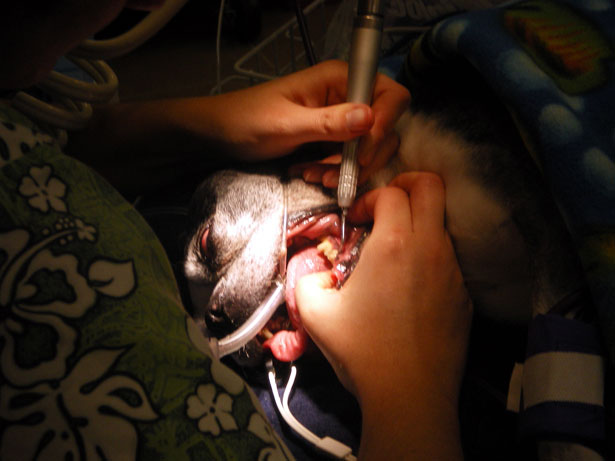
The Specialty Landscape: AVDC, AAHA Guidelines, and Where General Practice Fits
Organized veterinary dentistry has a longer history than most practitioners realize. The American Veterinary Dental Society, founded in 1976, was the first structured veterinary dental organization. The American Veterinary Dental College (AVDC) received provisional accreditation in 1988 and achieved full AVMA specialty recognition in 1995. For equine work specifically, the AVDC formally recognized an Equine Dental Specialty in 2014, covering veterinarians with advanced dental training in horses and other equids.
For small-animal general practitioners, the most directly applicable benchmark is the 2019 AAHA Dental Care Guidelines for Dogs and Cats (Bellows et al., J Am Anim Hosp Assoc 2019;55(2):49-69). These guidelines updated the 2013 version and cover terminology, anatomy and pathology, prevention, patient assessment and documentation, dental procedures, and anesthesia and analgesia. They were written by veterinary dentists, anesthesiologists, board-certified veterinary dental technicians, and experienced practitioners, which is part of why they carry real clinical weight rather than reading as a committee compromise.
General practitioners deliver the vast majority of veterinary dental care in this country. Most patients with periodontal disease will never see a boarded specialist. That places the diagnostic and preventive workload firmly in general practice, and it means knowing when a case exceeds GP scope is itself a clinical skill. Complicated endodontics, oral oncology workups, and jaw fracture repair are cases where a referral to an AVDC diplomate changes outcomes.
Common Oral Conditions: What You Are Most Likely to Find
Data from a Spanish teaching hospital found that among dogs presenting with oral conditions, periodontal disease accounted for 59.6% of cases, oral tumors for 11.3%, and dental fractures for 7.7%. Cat-specific conditions, particularly tooth resorption and stomatitis, have distinct pathophysiology and management pathways. The table below is a quick-triage reference, not a full diagnostic protocol.
| Condition | Most Affected Species | Key Clinical Signs | First Diagnostic Step | Refer to Specialist When |
|---|---|---|---|---|
| Periodontal disease | Dogs and cats | Halitosis, gingivitis, calculus, root exposure | Probing and full-mouth radiographs under anesthesia | Advanced bone loss, furcation involvement, complex extractions |
| Dental fracture | Dogs (especially large breeds) | Visible fracture line, tooth discoloration, pain on chewing | Oral exam and periapical radiograph | Complicated crown fracture requiring endodontics |
| Oral tumor | Dogs and cats | Oral mass, facial swelling, tooth displacement, bleeding | Incisional biopsy with histopathology | All confirmed or suspected oral tumors |
| Tooth resorption | Cats (primary concern) | pink lesion at gingival margin, hypersensitivity, tooth surface loss | Full-mouth radiographs to classify type | Type 2 resorption with root replacement: extraction vs. crown amputation criteria |
| Stomatitis/faucitis | Cats | Severe oral mucosal inflammation, hypersalivation, dysphagia, weight loss | Oral exam, biopsy to rule out neoplasia | Refractory cases after full-mouth extraction |
Diagnostics and the Case for Full-Mouth Radiographs
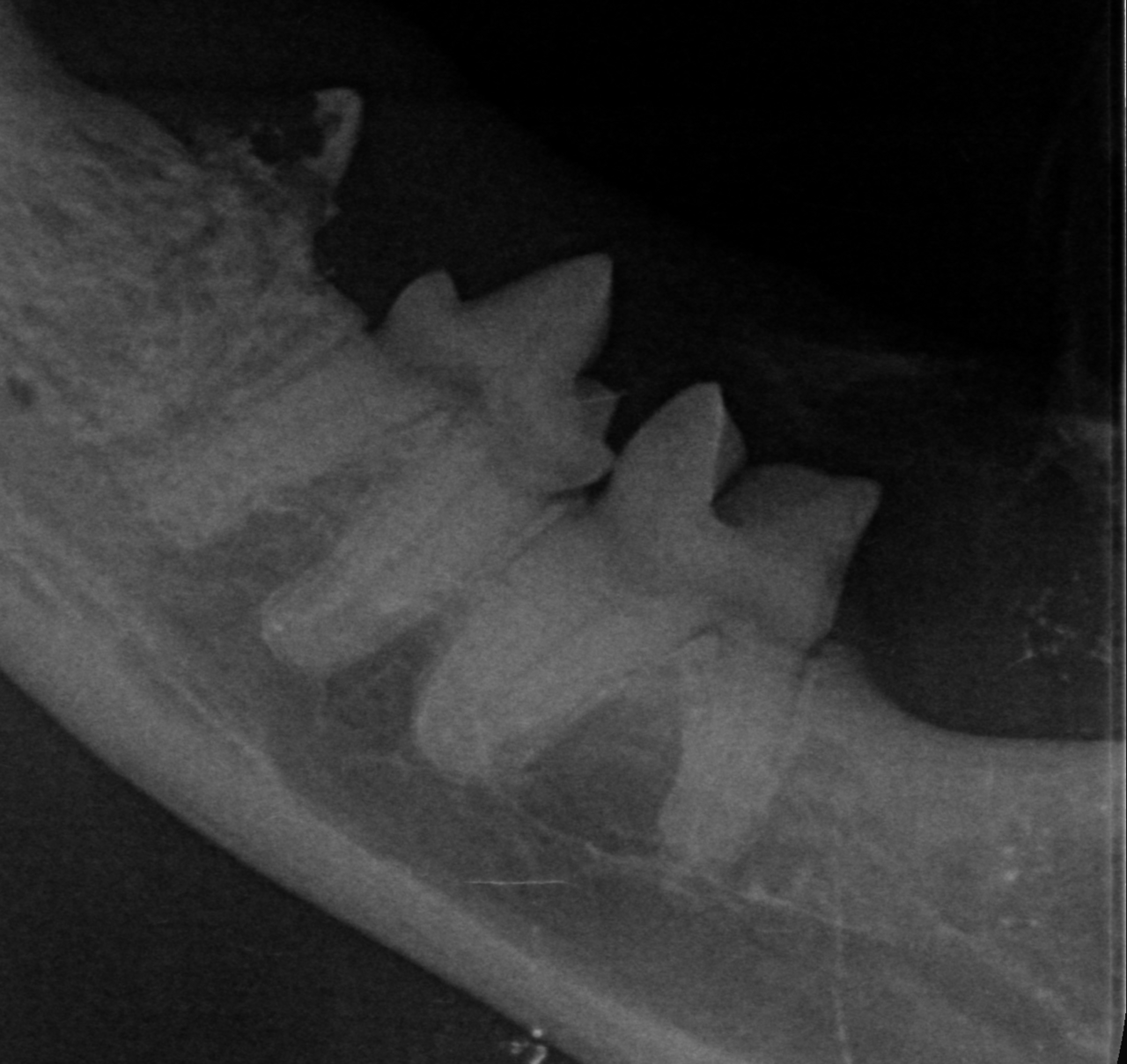
The oral cavity visible to the naked eye during a conscious exam is a fraction of the actual tissue at risk. Subgingival resorption, early alveolar bone loss, periapical lucencies, retained roots, and root fractures are routinely invisible without intraoral radiographs. A cat that grades as a 2 on visual periodontal scoring may have radiographic findings that change the entire treatment plan.
The 2019 AAHA Dental Care Guidelines address the role of radiography directly. Rather than paraphrase the specific recommendations here, readers should refer to the guideline document itself for precise wording on when radiographs are indicated and how they inform treatment decisions. The same applies to the guideline's position on anesthesia-free dentistry: the AAHA text is the authoritative source, and the reviewing clinician should confirm any summary against that document before using it in client communications or staff training.
What is unambiguous, regardless of which guideline version a practice follows, is that periodontal probing, dental charting, and contemporaneous documentation are standard of care for veterinary dentistry performed under anesthesia. Charting also creates a longitudinal record that makes disease progression visible over successive visits, which is clinically and medicolegally valuable.
I examined a dog with suspected dental disease where the visible oral examination showed no obvious major abnormality. Intraoral radiographs revealed a retained root with associated periapical changes that could not be identified visually, so we revised the treatment plan to include appropriate surgical extraction and follow-up care.
Anesthesia, Analgesia, and Perioperative Planning
- 1Pre-op AssessmentBloodwork, risk scoring, and patient history review before induction
- 2IV Access and FluidsCatheter placed; fluid support via IV fluid rate calculator for perioperative rates
- 3Induction and IntubationCuffed endotracheal tube essential; prevents aspiration of irrigant and debris
- 4Intraoperative MonitoringContinuous vitals and anesthetic depth; use normal vital signs reference targets
- 5Local Nerve Blocksinfraorbital, mental, inferior alveolar, and maxillary blocks before extraction or procedure
- 6Recovery and Pain ScoringAssess with Glasgow Composite Pain Scale; adjust analgesia before discharge
No specific drug doses listed here. Confirm all analgesic and induction protocols with your clinical team.
Dental anesthesia carries no special exemption from the standards that apply to any other procedure. Pre-anesthetic bloodwork, IV catheter placement, intubation with a cuffed endotracheal tube, and continuous monitoring are baseline requirements, not optional extras. The endotracheal tube does double duty in veterinary dentistry: it protects the airway from water, irrigant, and debris during scaling and extraction in a way that simply cannot be replicated without intubation.
Multimodal analgesia is current standard of care for dental procedures. Local nerve blocks, including the infraorbital, mental, inferior alveolar, and maxillary nerve blocks, reduce inhalant requirements during the procedure and smooth recovery. Pain assessment after the procedure is part of the anesthetic record, and using a validated tool like the Glasgow Composite Pain Scale gives that assessment clinical consistency. For perioperative fluid rates, the IV fluid rate calculator provides a quick reference, and the normal vital signs reference is a useful intraoperative benchmark for technicians monitoring depth and hemodynamic stability.
Practice teams that include credentialed dental technicians bring measurable value to the dental suite. If your practice is growing its dental capacity, veterinary technician job opportunities in dental-focused roles are worth exploring as part of your staffing strategy.
Prevention, Owner Communication, and Practice Protocols
Tooth brushing remains the most effective home preventive measure in veterinary dentistry, and owner compliance remains the main barrier. The honest clinical reality is that most owners will not brush their pet's teeth consistently, so preventive counseling has to be realistic: establish what the owner will actually do, then build on it. Daily brushing is the target, but any mechanical disruption of plaque on a regular basis is better than none. Enzymatic toothpastes designed for pets, dental diets with VOHC acceptance, and water additives each have their place in a tiered preventive plan.
February is National Pet Dental Health Month, an established hook that the AVMA, AAHA, and AVDC all support with client-facing resources. Many practices run awareness campaigns tied to it, but the more durable practice change is building dental assessment into every wellness visit, twelve months a year. A standardized oral health grade documented in the record at each visit creates a longitudinal picture and gives the clinician a natural, non-sales-pitch opening: "His teeth were a 2 last spring; they're a 3 today. Here's what I'm seeing." That framing is clinical, not commercial.
Consistent charting and a recall system turn dentistry from a reactive finding into a proactive protocol. Patients who receive a dental grade at every wellness visit get recommended and scheduled more reliably than those who get an ad-hoc observation when the mouth happens to look bad. That consistency also reduces the variation between clinicians in a multi-doctor practice.
One practical add-on worth building into dental appointment workflows: patients presenting for a dental cleaning are frequently overweight, and the anesthetic and recovery period creates a natural opening for a nutritional conversation. The daily calorie calculator takes seconds to run and gives the owner a concrete target to leave with alongside their discharge instructions.
we introduced routine dental grading during every wellness visit, documenting oral health and recommending professional cleaning or further assessment when needed. We also implemented regular dental reminders based on each patient's dental condition, which improved early detection, owner awareness, and follow-up compliance.

Sources
- Veterinary dentistry - AVMA
- Frontiers in Veterinary Science article on periodontal disease prevalence - Frontiers in Veterinary Science
- Periodontal disease in cats under primary veterinary care in the UK: frequency and risk factors - Journal of Feline Medicine and Surgery (SAGE)
- 2019 AAHA Dental Care Guidelines for Dogs and Cats - PubMed - Journal of the American Animal Hospital Association (PubMed)
- About the AVDC - American Veterinary Dental College
- Prevalence of common oral conditions in dogs and cats attending a veterinary teaching hospital in Spain - ScienceDirect (peer-reviewed journal)
This blog is intended for veterinary professionals. The information presented is for general educational and reference purposes only and reflects commonly accepted clinical knowledge at the time of writing. It is not a substitute for your own clinical judgment, your practice's protocols, or a full assessment of the individual patient.
Tired of typing your SOAPs?
VetStack is an AI scribe for vets. Record your consult on any phone, get a complete, editable SOAP note in under 60 seconds, paste it into your PIMS. The average vet saves 2 hours of charting a day.
Try VetStack free5 notes a day, free forever. No credit card.
Tired of typing your SOAPs?
VetStack is an AI scribe for vets. Record your consult on any phone, get a complete, editable SOAP note in under 60 seconds, paste it into your PIMS. The average vet saves 2 hours of charting a day.
Try VetStack free5 notes a day, free forever. No credit card.
Keep reading

Veterinary Behavior: A Clinical Primer for General Practice
Behavioral complaints are among the most common reasons owners rehome or euthanize otherwise healthy pets. This guide covers how general practitioners can integrate veterinary behavior into routine care, recognize medical contributors, and know when specialist referral is the right call.

Veterinary Nurse: Role, Regulation, and What RVNs Do
The veterinary nurse role is broader than many owners and even some new graduates realise. This guide covers what RVNs do day-to-day, the legal framework behind their clinical powers, how to qualify, and why the title itself is contested in the US.
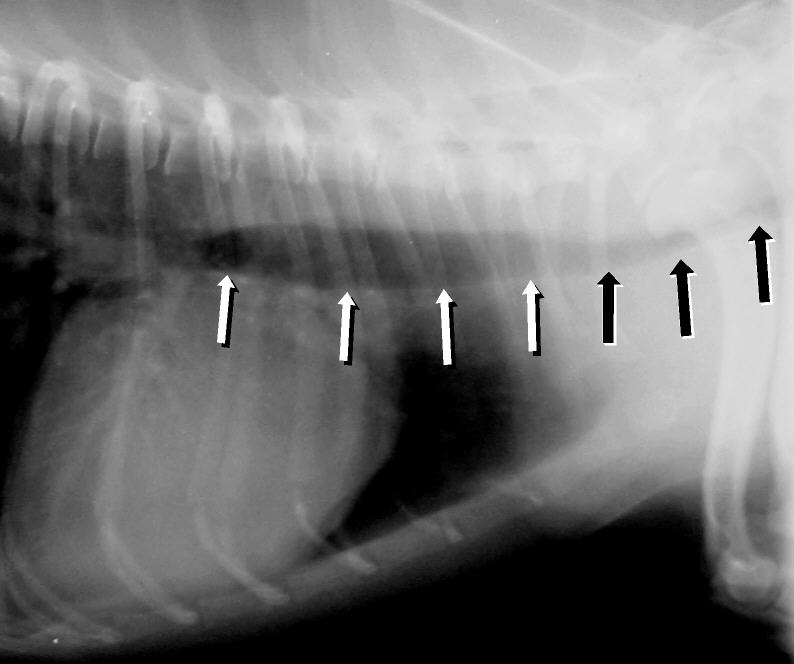
Veterinary Radiology: A Clinical Guide for General Practice
From basic radiograph positioning to specialist referral and teleradiology, this guide covers what every general practitioner needs to know about radiology in veterinary practice.